
In an increasingly interconnected world, safeguarding your digital assets has never been more critical. We are your trusted partner in defending against cyber threats – keeping you, your business, and your data safe from an ever-evolving landscape of online threats.
We use state-of-the-art technology to identify and neutralize threats before they can harm your systems. Intrusion detection analyzes network traffic for patterns and behaviors that may indicate a breach.
Encryption at rest and in transit, so that intercepted or stolen data stays unreadable and your compliance obligations are met.
When something does happen, a rehearsed plan and a team that has done this before. Containment, eradication, recovery, and a clear report.
Hardened cloud configuration, identity and access management, and continuous monitoring of your cloud footprint.
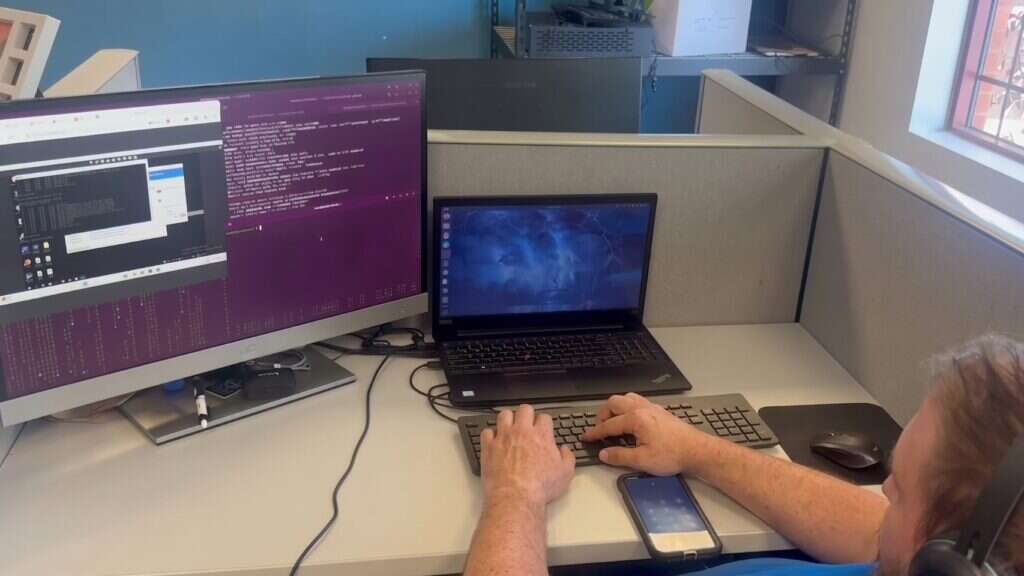
Cybersecurity serves as the shield protecting individuals, organizations, and even nations from a multitude of threats. First and foremost, it safeguards sensitive information such as personal data, financial records, and intellectual property, preventing unauthorized access and potential theft.
Beyond safeguarding data, cybersecurity is crucial for maintaining the functionality of critical infrastructure – including power grids, healthcare systems, and transportation networks – all of which are vulnerable to cyberattacks.
These are the attack types we see most often in Western New York businesses – and what each one actually means for you.
Fraudulent emails, texts, or sites impersonating someone your staff trusts, designed to harvest credentials or trigger a payment. Still the single most common way an attacker gets their first foothold.
Malware that encrypts your files and demands payment for the key. For a dental or medical office this means patient records locked and a schedule that cannot run. Tested, isolated backups are the only reliable answer.
Reused, guessable, or previously breached passwords. Attackers do not break in so much as log in. Multi-factor authentication removes most of this risk outright.
An attacker takes over or spoofs an executive or vendor mailbox and requests a wire transfer or a change of banking details. Low-tech, very high-value, and frequently missed by spam filters.
Manipulating a person rather than a system – a phone call from fake IT support, a USB drive left in a lobby, an urgent request that bypasses normal process. Staff education is the control that works here.
A current or former employee, contractor, or partner misusing legitimate access, whether deliberately or by accident. Least-privilege access and prompt offboarding limit the damage.
Known vulnerabilities left open because an update was deferred. Attackers scan for exactly these. Managed patching closes the window before it is found.
Malicious input passed into a database query through a web form or URL, allowing an attacker to read, alter, or delete data they should never reach. A web application flaw, and a common cause of large record breaches.
An attacker positions themselves between two parties and quietly intercepts or alters the traffic – often on unsecured or spoofed wireless networks. Encryption in transit is the defense.
Flooding a network, server, or application with traffic until legitimate users cannot reach it. Disruptive rather than data-stealing, but costly when your practice management system is what goes offline.
Automated guessing of passwords or keys at scale until one works. Account lockouts, rate limiting, and strong unique credentials make this impractical for an attacker.
Malware installed simply by visiting a compromised or malicious website, with no click required. Endpoint protection and current browsers matter here.
Malicious scripts injected into an otherwise trusted website and executed in your users’ browsers, used to steal sessions or redirect to attacker-controlled pages.
A laptop or phone leaving the building with unencrypted data on it is a reportable breach in healthcare. Full-disk encryption and remote wipe turn a loss into an inconvenience.
Schedule a free remote or on-site IT consult. Tell us about your business and the services you need – response times are typically under three hours.